
5 Exhibitions to See In Japan This Week: Van Gogh's Café Terrace at Night in Tokyo, Ernesto Neto's Living Spaces of Symbiosis
From major museum shows to gallery highlights, ARTnews JAPAN editors select the must-see exhibitions now on view across Japan. This article is also available in Japanese.
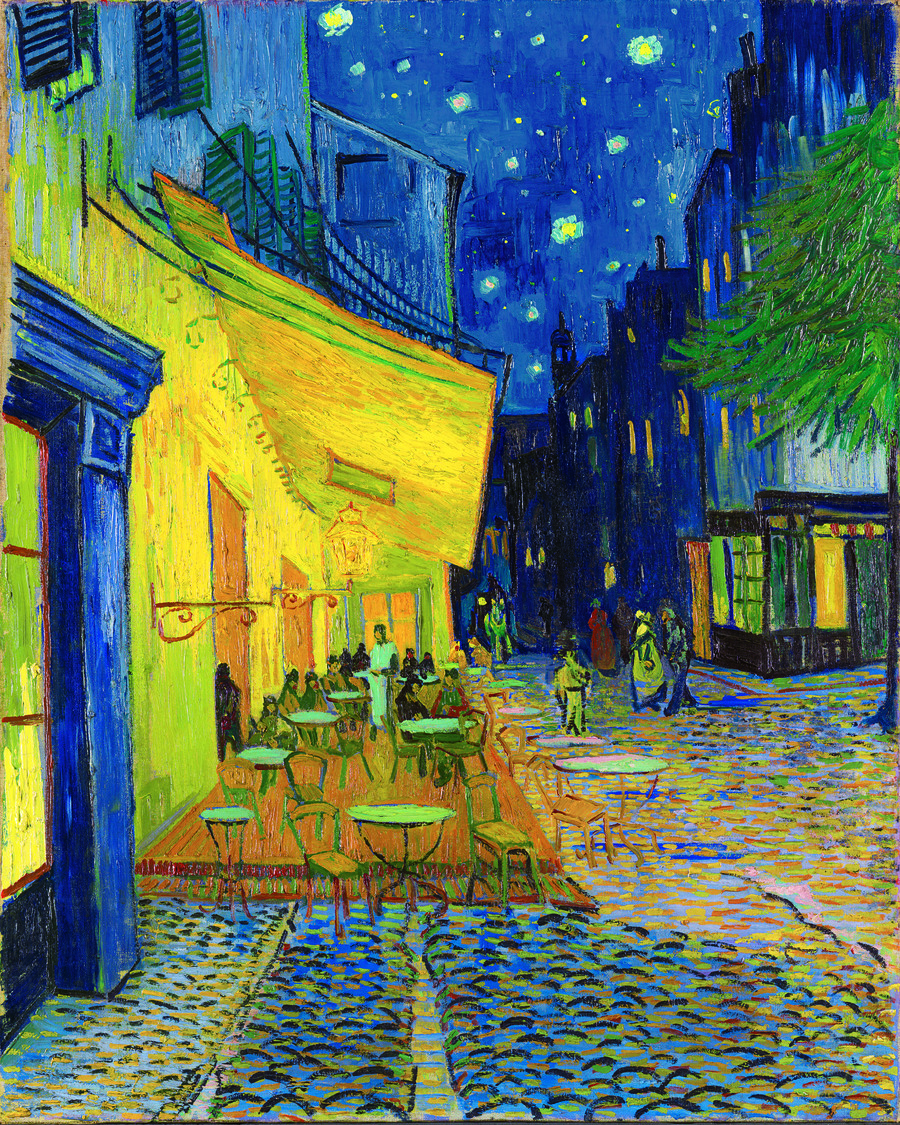
- 1. Asian Art Walk East Asia: Exploring Proximity and Difference (Fukuoka Asian Art Museum)
- 2. Ernesto Neto “Dreaming Beings” (Tomio Koyama Gallery Roppongi)
- 3. Gestaltung: Tokyo Zokei University 60th Anniversary Project (BAU SHIBUYA)
- 4. Koshiro Shikine “Suspended Samsara” (KANDA & OLIVEIRA)
- 5. The Grand Van Gogh Exhibition: Café Terrace at Night (The Ueno Royal Museum)
1. Asian Art Walk East Asia: Exploring Proximity and Difference (Fukuoka Asian Art Museum)


Tracing the Common and the Distinct in East Asian Art
This is the first installment of “Asian Art Walk”, the museum's collection exhibition series. Spanning six regions—Japan, China, South Korea, North Korea, Taiwan, and Mongolia—the show traces the cultural affinities and divergences of East Asia through works of art. Conceived as an entry point for those encountering Asian art for the first time, the series will unfold over roughly a year, turning in succession to East Asia, South Asia, and Southeast Asia.
Some 60 works are organized around three lenses: land and history, the relationships among nations and regions, and the individuals who live within each society. Though these cultures share a heritage of similar characters, Buddhism, and Confucianism, each carries its own history and social context—and the exhibition brings the resulting tangle of relationships into view. In a region where cultural closeness and political and historical distance continually intersect, what have people held in common, and what differences have they carried? Rather than offering mere regional representation, the show follows the histories, memories, and crosscurrents of feeling that run beneath East Asia, traced through the art itself.
Asian Art Walk East Asia: Exploring Proximity and Difference
Dates: Saturday, April 18 – Sunday, August 30
Venue: Fukuoka Asian Art Museum, Asia Gallery (7–8F, Hakata Riverain Center Building, 3-1 Shimokawabata-cho, Hakata-ku, Fukuoka)
Hours: 9:30–18:00 (until 20:00 on Fridays and Saturdays; last admission 30 minutes before closing)
Closed: Wednesdays (open daily July 9 – August 31)
2. Ernesto Neto “Dreaming Beings” (Tomio Koyama Gallery Roppongi)

cotton string crochet, bamboo and wood
193.0 x 156.0 x 22.0 cm
Photo by Pepe Schettino © Ernesto Neto, Courtesy of Tomio Koyama Gallery


232.0 x 430.0 x 22.0 cm, Photo by Pepe Schettino, © Ernesto Neto, Courtesy of Tomio Koyama Gallery


Weaving Symbiosis: Ernesto Neto's Organic Installations
A solo exhibition by Ernesto Neto, one of Brazil's leading contemporary artists. Born in Rio de Janeiro in 1964, Neto began making soft sculptures in the late 1980s and drew international attention in the '90s with large-scale installations of stretchable fabric. His Nave series, which invites viewers to step inside the work, is known for its bodily, immersive sense of space and has been presented around the world, including at the Guggenheim Museum Bilbao and the Grand Palais.
The exhibition centers on a new series, SymbioZooEthicalBeings – SZEBs. Organic structures combining crocheted cotton thread with bamboo stretch across the walls and ceiling, lending the space itself a rhythm akin to line drawing. Swaying as if breathing, the forms evoke the bodies of animals and insects while suggesting that all life exists within relationships of symbiosis. Also on view is the In Search of a Happy Path series, drawings made with soil, together giving rise to a space where Neto's thought and physicality densely intersect.
Ernesto Neto “Dreaming Beings”
Dates: Saturday, May 2 – Saturday, June 13
Venue: Tomio Koyama Gallery Roppongi (6-5-24 Roppongi, Minato-ku, Tokyo)
Hours: 11:00–19:00
Closed: Sundays, Mondays, and public holidays
3. Gestaltung: Tokyo Zokei University 60th Anniversary Project (BAU SHIBUYA)


Reimagining Gestaltung
An exhibition project marking the 60th anniversary of Tokyo Zokei University. Taking as its title the German word Gestaltung—the root of the Japanese term zokei ("form-making")—it unfolds as a conceptual practice that cuts across art and design. At its venue, BAU SHIBUYA, three exhibitions run concurrently across three terms from May to December 2026.
The first show titled “Medium and Dimension: Continuum”, is curated by Takuya Nakao. Featuring Nozomi Suzuki, Takuro Tamayama, Nerhol, and Midori Mitamura, among others, it builds a space where multiple timelines intersect under the theme of the “continuum.” While forming a single current across the three terms, each work develops its own distinct sense of time. Held alongside it, the retrospective-style Multiple-delay attempts to invert the usual exhibition structure of past to present.
The second show, titled “CSP+: The Distance of Memory”, presents images that surface between personal and collective memory through a set of small-scale solo presentations by Saori Namai, Saki Iwamori, and Takafumi Nagamine. The third, Sound and Vision, generates a perceptual experience where sound and sight meet—through kinetic devices accompanied by motor noise, video works, and installations that shift in response to the viewer. Moving among these projects, visitors can experience the inclusive idea once carried by the word Gestaltung: one that does not divide art from design.
Gestaltung: Tokyo Zokei University 60th Anniversary Project
Dates: Term 1 | Friday, May 15 – Saturday, June 6 / Term 2 | Friday, September 11 – Saturday, October 3 / Term 3 | Friday, December 4 – Saturday, December 26
Venue: BAU SHIBUYA, Forum BF / Forum 1 (1-4-22 Jinnan, Shibuya-ku, Tokyo)
Hours: 12:00–19:00
Closed: Tuesdays and Wednesdays
4. Koshiro Shikine “Suspended Samsara” (KANDA & OLIVEIRA)


Rethinking Perception Through Video and Sculpture
Working across moving image and sculpture, Koshiro Shikine examines how individuals relate to their social environment and how perception is structured today. The first solo exhibition by the artist begins from an interest in contemporary visual experience as epitomized by short-form content—a stream of context-stripped "highlights."
In an age when fragmentary footage, severed from causality and chronology, is consumed without pause, how does an event grow hollow? Returning again and again to the trivial incident of coffee spilling, Shikine uses video and sculpture to make visible the fragments of a narrative that never quite coheres. What surfaces through the faint sense of unease, of being held in suspension, is the very process by which our own emotions and perceptions take shape. A sharp critique of the body and senses under constant exposure to the information environment unfolds across the space. The artist will give a gallery talk on June 13, from 3 to 4 p.m.
Koshiro Shikine “Suspended Samsara”
Dates: Saturday, May 16 – Saturday, June 13
Venue: KANDA & OLIVEIRA (1-1-16-2 Nishifuna, Funabashi, Chiba)
Hours: 13:00–19:00
Closed: Mondays and Tuesdays
5. The Grand Van Gogh Exhibition: Café Terrace at Night (The Ueno Royal Museum)
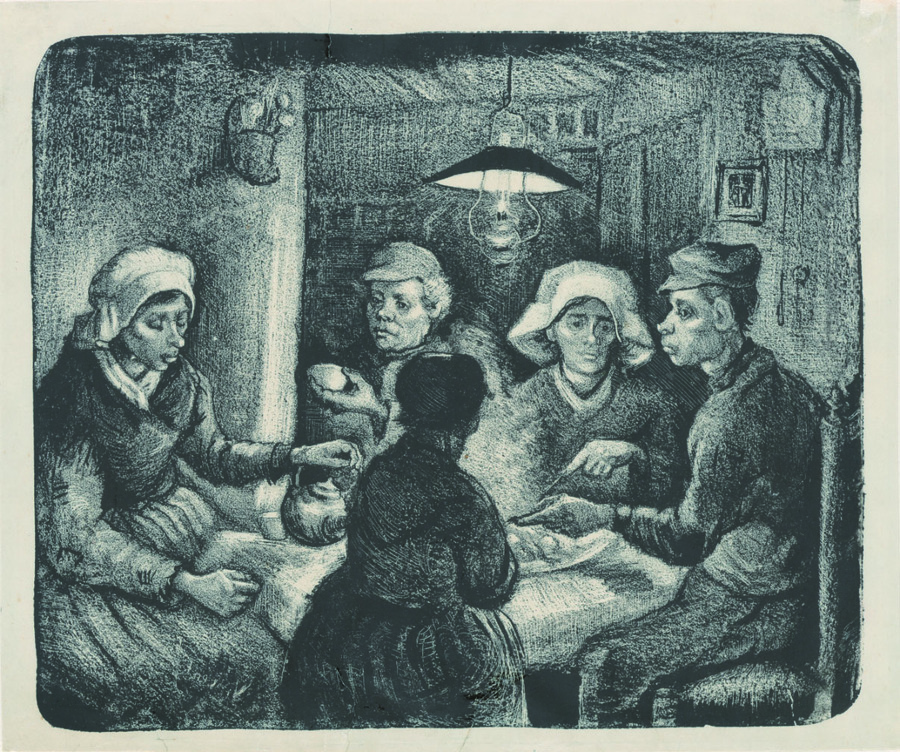
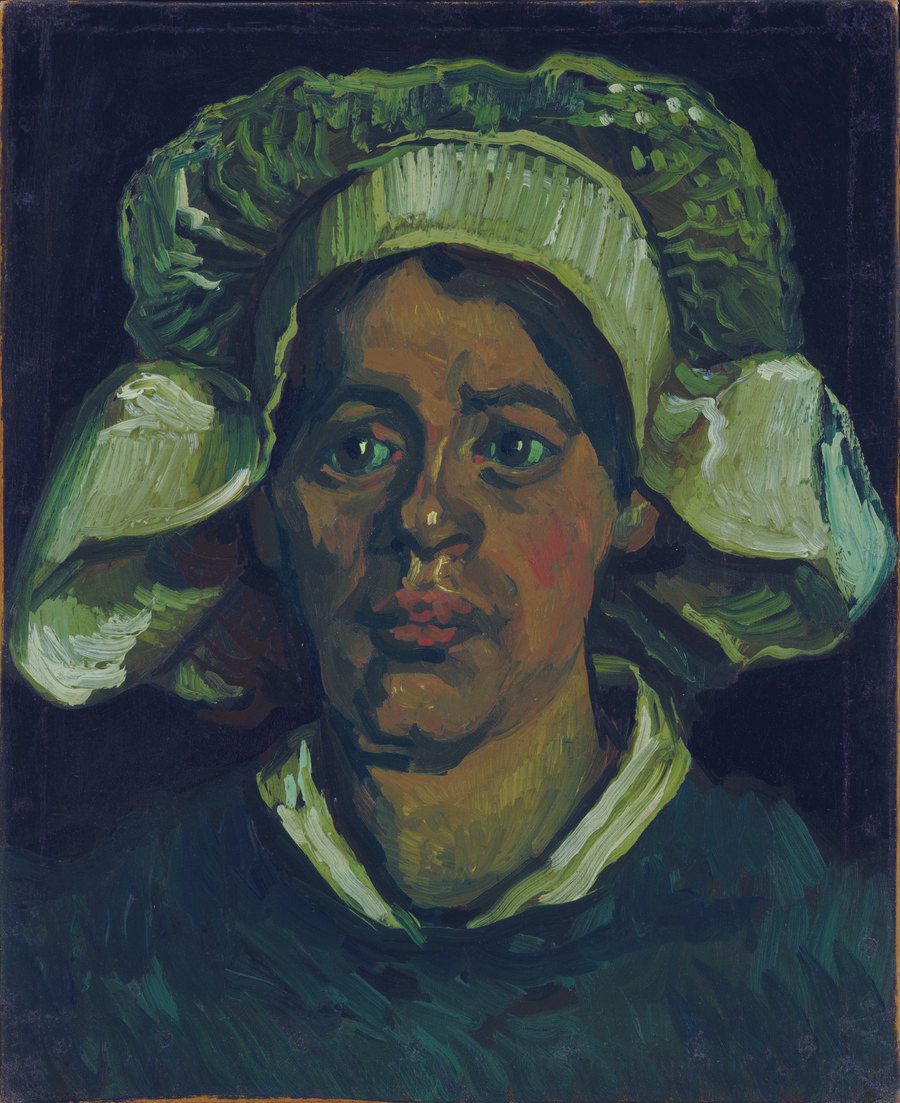
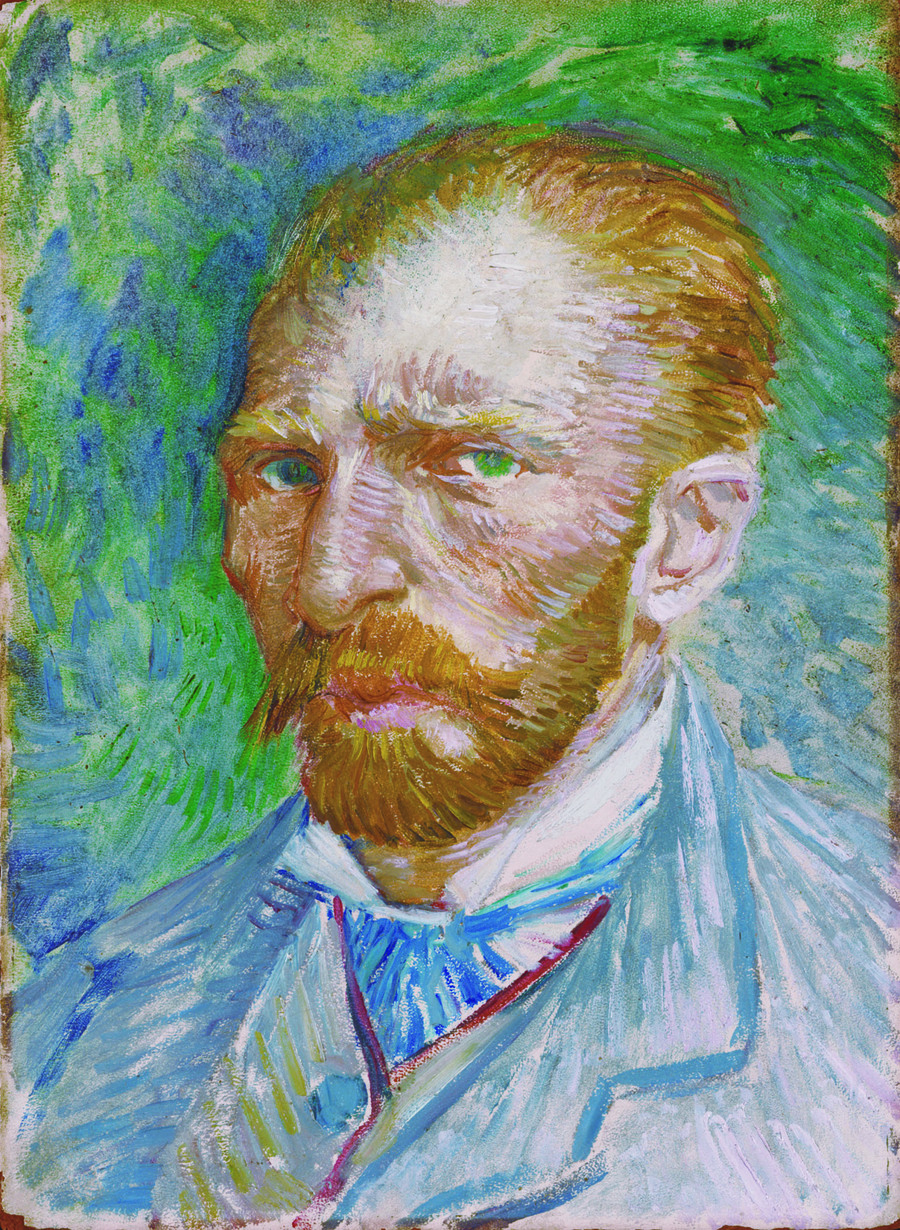

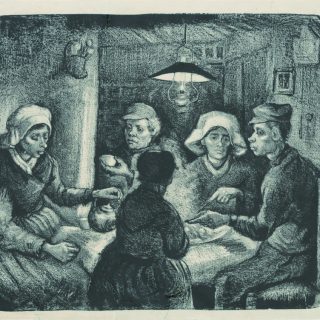
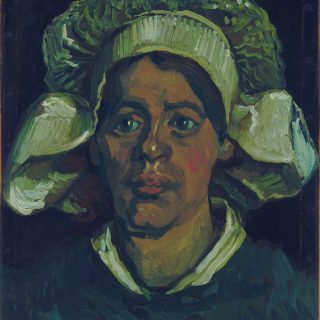
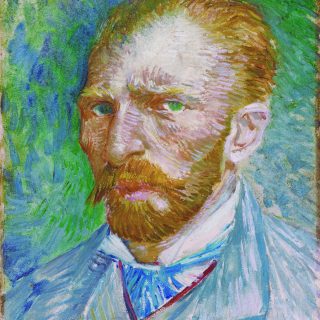
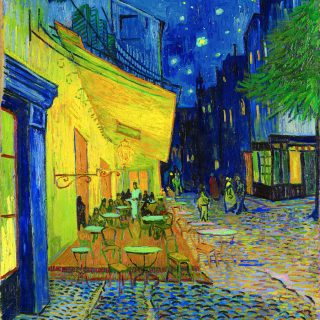

The Color and Light Van Gogh Found in the Night
The Grand Van Gogh Exhibition—which brings Vincent van Gogh's (1853–1890) masterpiece Café Terrace at Night (Place du Forum) to Japan for the first time in some 20 years—arrives in Tokyo after stops in Kobe and Fukushima. Drawn entirely from the collection of the Kröller-Müller Museum in the Netherlands, the show is the first installment of a two-part project surveying Van Gogh's career. The museum's founder, Helene Kröller-Müller, is remembered for recognizing Van Gogh's talent early—at a time when he was scarcely valued in his lifetime—and amassing a substantial body of his work.
The exhibition traces Van Gogh's path from his Dutch years, under the influence of the Barbizon and Hague schools, through his time in Paris among the Impressionists and Neo-Impressionists, to his arrival in Arles at Café Terrace at Night (Place du Forum). Alongside some 60 works by Van Gogh, the galleries present paintings by contemporaries such as Millet, Pissarro, and Renoir, bringing into relief how the artist transformed his treatment of color and light. Known for the innovative choice to use no black paint despite its nocturnal setting, Café Terrace at Night sets the deep ultramarine of the sky against the yellow of the gaslight in a vivid contrast, holding the stillness and the exhilaration of night at once. The show offers a rare chance in Japan to see, up close, the origins of the night scenes that would lead to The Starry Night.
The Grand Van Gogh Exhibition: Café Terrace at Night
Dates: Friday, May 29 – Wednesday, August 12
Venue: The Ueno Royal Museum (1-2 Ueno Park, Taito-ku, Tokyo)
Hours: Sunday–Thursday 9:00–17:30 (until 19:00 on Fridays, Saturdays, and holidays; last admission 30 minutes before closing)
Closed: Open throughout the run




